In the rapidly evolving landscape of metabolic and biotechnology research, compounds that modulate body composition have taken center stage. While global attention frequently defaults to weight-loss secretagogues like Semaglutide and Tirzepatide, a highly specialized segment of researchers requires the exact opposite: weight gain peptides.
Whether investigating muscle-wasting conditions (cachexia), studying bone and tissue recovery models, or exploring the mechanics of mass hyper-accumulation, identifying high-purity, reliable sourcing is paramount. Because these compounds are strictly designated for in vitro assessment and laboratory evaluation, sourcing requires navigating a niche ecosystem of chemical manufacturers.
This guide breaks down the biological mechanics of weight gain peptides, the core compounds driving current research, and the top-tier laboratories where you can confidently buy them.
Understanding the Mechanics: How Do Weight Gain Peptides Work?
In cellular biology, “weight gain” is rarely a simple, singular pathway. Researchers target specific physiological mechanisms depending on whether their research models focus on increasing lean skeletal muscle mass, inducing appetite stimulation, or accelerating tissue repair.
The primary pathways involve Growth Hormone Secretagogues (GHS) and Ghrelin Receptor Agonists. Unlike exogenous growth hormone, these short-chain amino acid sequences prompt the pituitary gland to secrete its own natural pulses of growth hormone (GH) and Insulin-like Growth Factor 1 (IGF-1).
The Primary Research Compounds
- GHRP-6 & GHRP-2 (Growth Hormone Releasing Peptides): These are potent synthetic agonists of ghrelin—the primary hunger hormone. Clinical research indicates that peripheral administration of GHRP-2 can increase acute food intake by more than 35% by triggering meal initiation pathways in the brain. They are heavily utilized in studies mapping appetite stimulation and rapid caloric storage.
- MK-677 (Ibutamoren): Though frequently categorized with peptides, MK-677 is a non-peptide, orally active ghrelin receptor agonist. It mimics the action of ghrelin, aggressively driving up both appetite and lean muscle nitrogen retention, making it a foundational compound for studying the reversal of muscle wasting.
- CJC-1295 + Ipamorelin: This synergistic blend is highly favored for clean mass accumulation models. CJC-1295 acts as a Growth Hormone-Releasing Hormone (GHRH) analog, while Ipamorelin acts as a selective GHS. Together, they stimulate lean tissue growth and accelerate cellular repair without spikes in cortisol or prolactin.
Where to Buy Weight Gain Peptides: Top 5 Lab Vendors Reviewed
When purchasing research chemicals, purity, third-party testing (HPLC and Mass Spectrometry), and reliable shipping logistics are the only metrics that matter. Below are the premier global suppliers currently providing high-purity weight-gaining compounds for laboratory study.
1. Polaris Peptides
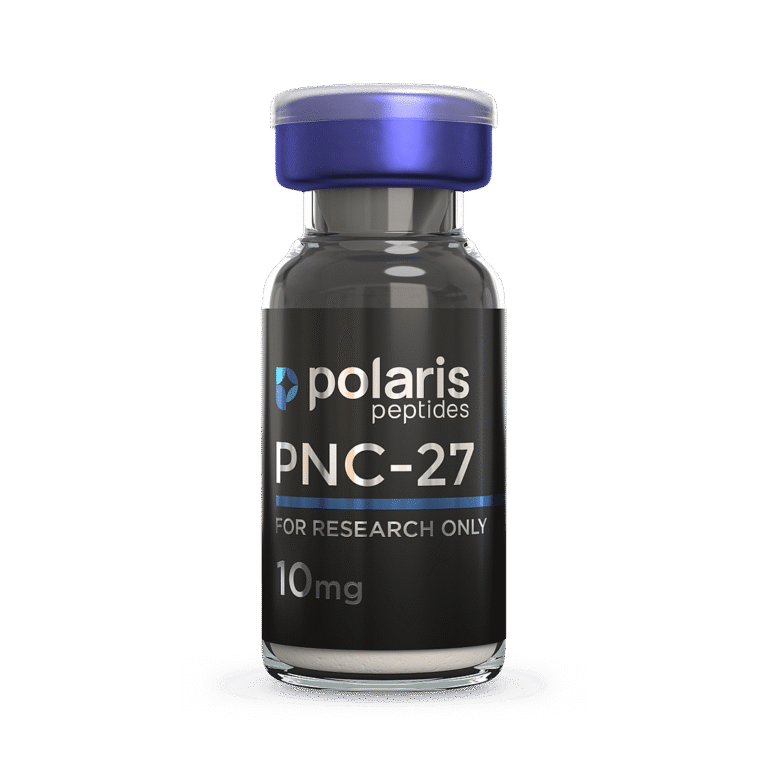
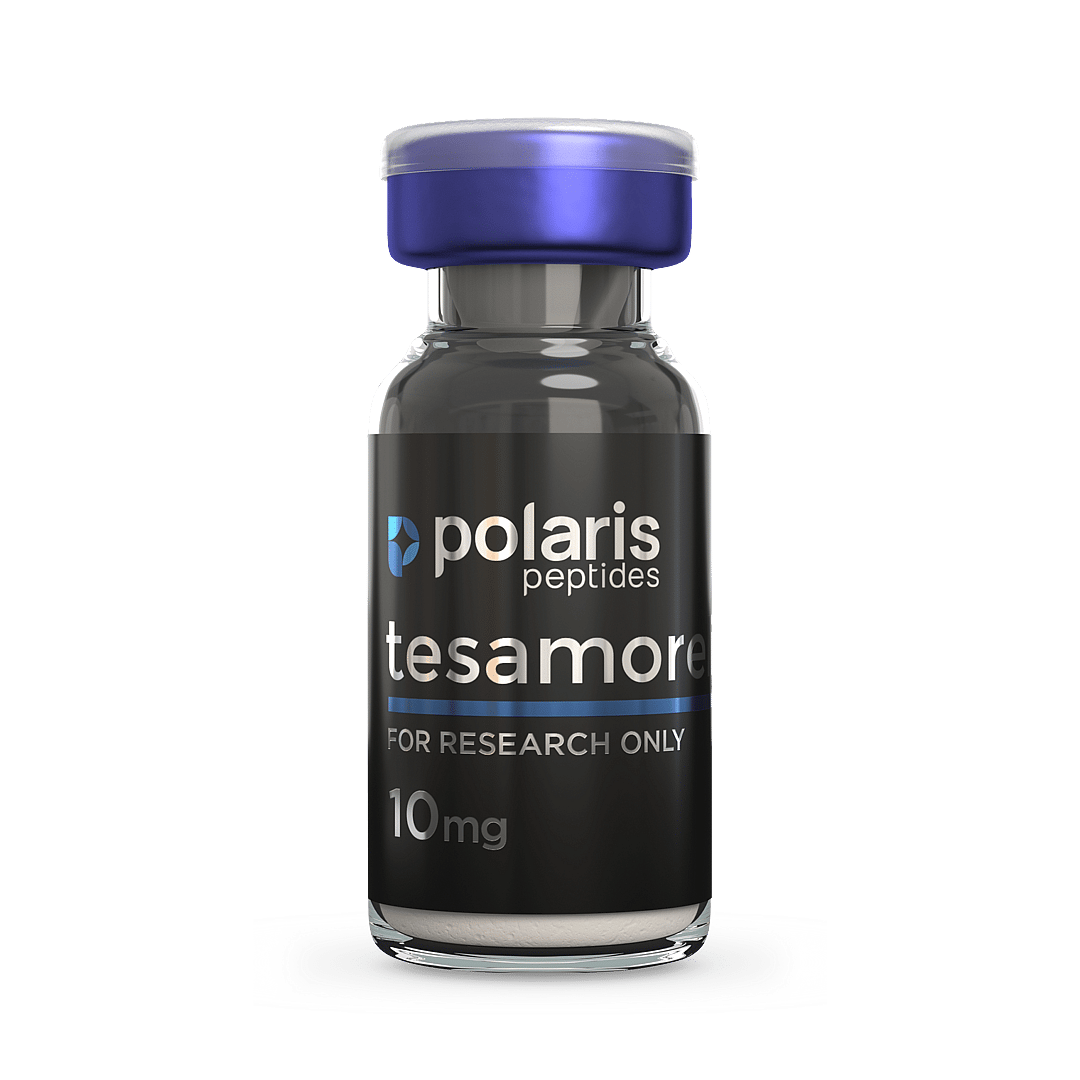
As an established leader in metabolic, tissue-repair, and weight-management research formulations, our catalog at Polaris Peptides focuses heavily on synthesis precision. Our processing ensures unmatched molecular stability across high-demand weight-induction chains, including specialized GHRP variants and selective secretagogues. For researchers looking to maintain continuity across long-term studies with hyper-consistent batch purities, you can buy directly from our official Polaris Peptides Catalog.
2. Peptide Sciences
For researchers seeking a vast inventory and American-made synthesis, Peptide Sciences remains a highly trusted cornerstone of the domestic biotech market. Known for strict quality control protocols, they provide robust third-party testing data for every batch of growth-hormone-releasing peptides. Their catalog is an excellent destination if your research design requires immediate access to highly stable, lyophilized (freeze-dried) mass-building formulations.
3. Skye Peptides
Operating with a transparent approach to analytical verification, Skye Peptides has rapidly captured a significant share of the biohacking and clinical research supply space. Every single product listing is backed by readily accessible, up-to-date purity reports. If your laboratory needs reliable, high-purity chains of selective secretagogues like Ipamorelin or custom recovery blends, they are an exceptional choice.
4. Nexaph
An emerging powerhouse in specialized compound distribution, Nexaph focuses on delivering innovative research materials with streamlined domestic logistics. Their platform is highly regarded for its customer-centric shipping policies and consistent cold-chain management, which prevents the degradation of delicate peptide bonds during transit.
5. Peptide Crafters
Specializing in both standard catalog sequences and customized synthesis, peptide crafters caters directly to laboratories that require strict dimensional accuracy in their research mediums. Their manufacturing infrastructure allows them to maintain highly competitive pricing on bulk volume orders of foundational ghrelin mimetics and mass-accumulation compounds without sacrificing analytical purity.
Critical Factors to Evaluate Before Sourcing
To guarantee the integrity of your laboratory data, ensure your procurement pipeline satisfies these three structural requirements:
- Analytical Verification: Never purchase from a vendor that does not publish batch-specific High-Performance Liquid Chromatography (HPLC) and Mass Spectrometry (MS) reports showing a purity rating of 99% or higher.
- Lyophilization Standards: Ensure the peptides are shipped in a proper freeze-dried, vacuum-sealed state. This ensures structural stability at room temperatures during typical shipping windows.
- Domestic Compliance: Confirm that the vendor clearly labels items as Research Chemicals / Not for Human Consumption to align seamlessly with local regulatory guidelines for scientific supply management.
Research Note: When studying compounds like GHRP-6 or MK-677, researchers should monitor rapid shifts in intracellular water retention and glucose sensitivity within their models, as ghrelin receptor activation significantly alters systemic osmotic balance.